POR vs. PARA
Usos Básicos y Contrastes
Progreso: 0/6 ejercicios completados
El Gran Desafío: POR y PARA
The Great Challenge: Both POR and PARA translate as "for" in English, but they have different meanings!
Concepto clave: En inglés, "for" se usa para muchas situaciónes. En español, necesitamos elegir entre POR y PARA según el significado.
Key concept: In English, "for" is used in many situations. In Spanish, we need to choose between POR and PARA according to the meaning.
Causa / Razón / Medio
Cause / Reason / Means
"because of" / "through"
Destino / Propósito / Destinatario
Destination / Purpose / Recipient
"in order to" / "for (someone)"
Usos de POR y PARA
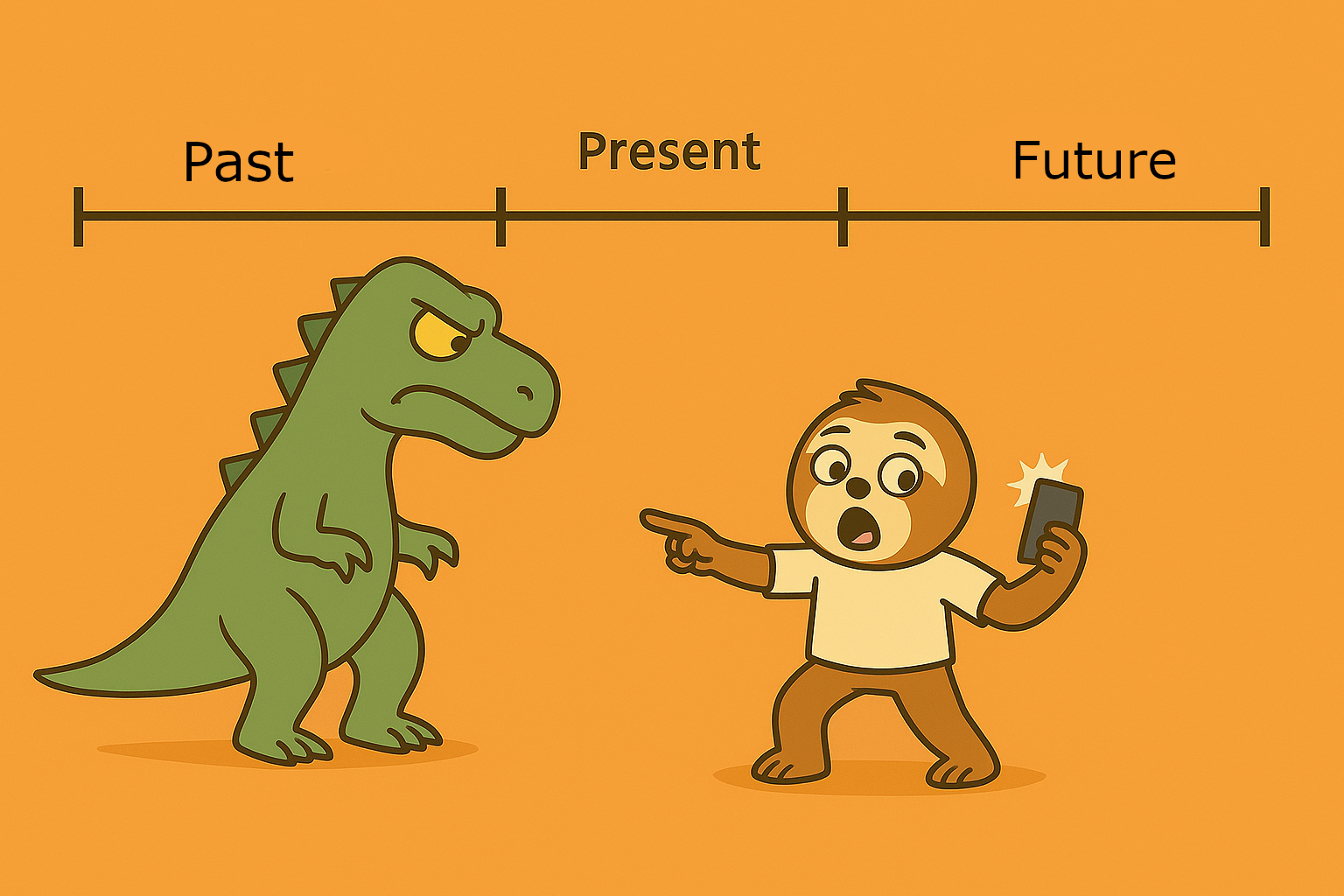
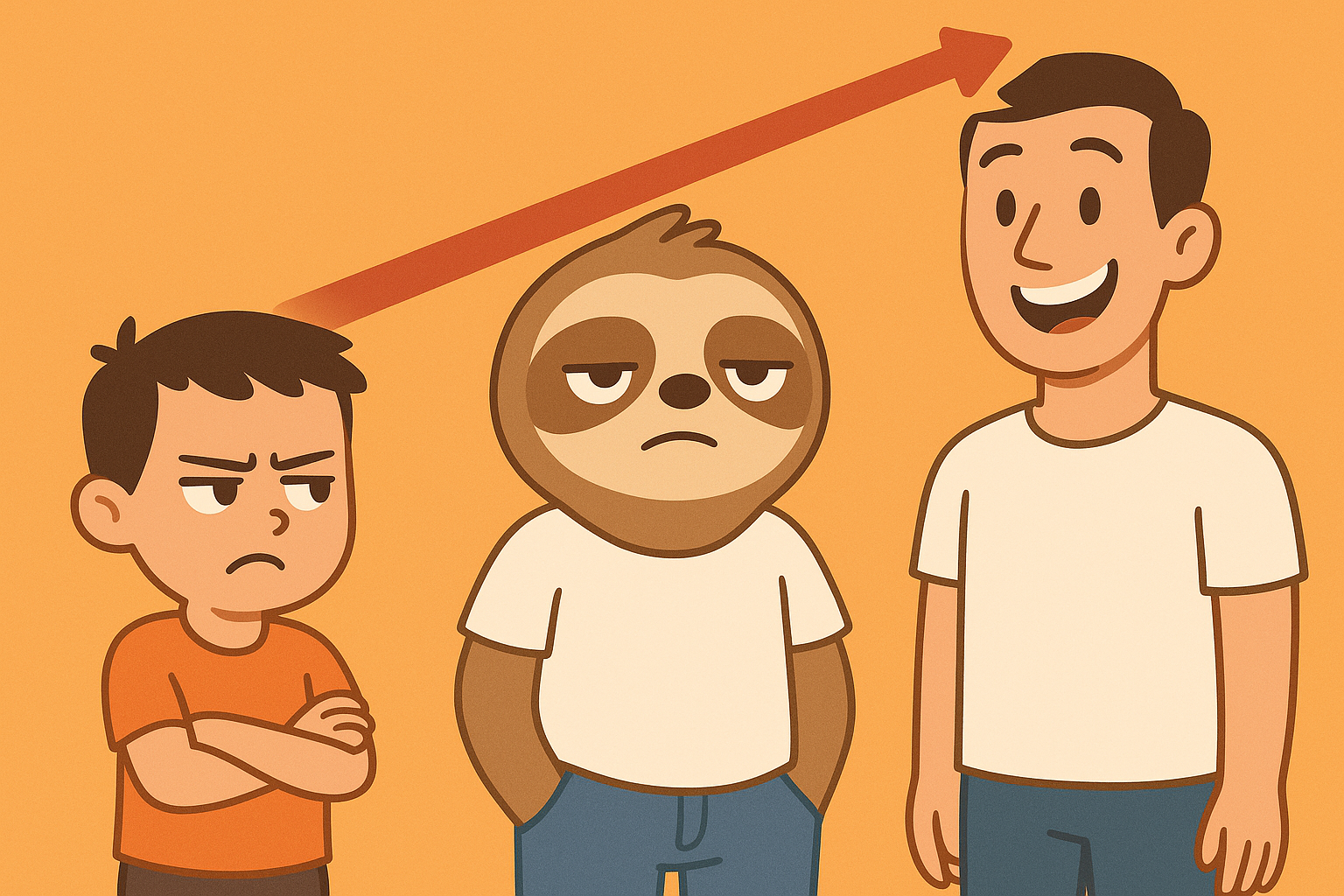
POR looks BACKWARDS (cause, reason, exchange) | PARA looks FORWARD (purpose, destination, deadline)
POR - Principales Usos
I arrived late because of the traffic.
I'll call you by phone.
We walked through the park.
I bought the book for 20€.
I studied Spanish for two years.
PARA - Principales Usos
I study in order to learn.
This gift is for you.
We're leaving for Madrid.
The report is for Monday.
For me, it's very easy.
Contrastes Clave
Key Contrasts - Same sentence, different meaning!
| Situación | POR (Causa/Medio) | PARA (Propósito/Destino) |
|---|---|---|
| Razón vs Propósito Reason vs Purpose |
Trabajo por necesidad. I work because of necessity. |
Trabajo para vivir mejor. I work in order to live better. |
| Intercambio vs Destinatario Exchange vs Recipient |
Lo hice por ti. (en tu lugar) I did it for you (instead of you). |
Lo hice para ti. (es tuyo) I did it for you (it's yours). |
| Movimiento vs Dirección Movement vs Direction |
Caminé por la ciudad. I walked through the city. |
Caminé para la ciudad. I walked toward the city. |
| Duración vs Fecha límite Duration vs Deadline |
Estuve allí por una hora. I was there for an hour. |
Llego para las 8. I'll arrive by 8 o'clock. |
Mira hacia atrás - Why did it happen?
PARA = Proposito, Adelante, Recipiente, Arribo (Purpose, Forward, Recipient, Arrival)
Mira hacia adelante - What's the goal?
Ejercicio 1: ¿POR o PARA?
Elige la opción correcta: (Choose the correct option based on meaning)
1. Este cafe es _______ ti.
2. Llegué tarde _______ el tráfico.
3. Estudio español _______ hablar con mi novia.
4. Caminamos _______ la playa durante una hora.
5. Necesito el documento _______ mañana.
6. Gracias _______ tu ayuda.
7. Vamos _______ Madrid en tren.
8. Te llamo _______ teléfono mástarde.
Ejercicio 2: Completa las Frases
Escribe POR o PARA según el contexto: (Write POR or PARA according to context)
1. _______ mi, la comida mexicana es deliciosa.
2. Compré estas flores _______ mi madre.
3. Trabajé en esa empresa _______ cinco años.
4. El tren pasa _______ el túnel.
5. Esta crema es _______ las maños.
6. Pagué 50 euros _______ este libro.
Ejercicio 3: Traducción
Traduce las siguientes frases: (Translate paying attention to POR vs PARA)
1. "I'm studying for the exam" (propósito)
2. "Thanks for calling" (agradecimiento)
3. "This is for you" (destinatario)
4. "We traveled through Spain" (movimiento)
5. "I need it by Friday" (fecha límite)
6. "I paid 30 euros for the ticket" (precio/intercambio)
7. "I'm leaving for Paris tomorrow" (destino)
8. "I sent it by email" (medio)
Ejercicio 4: Contexto Real
Lee el diálogo y completa con POR o PARA:
Ana: ¿Vas a salir?
Carlos: Sí, voy el supermercado. Necesito comprar algo la cena.
Ana: ¿Puedes comprar leche mi? La necesito hacer un pastel.
Carlos: Claro. ¿ cuando lo necesitas?
Ana: las 6, si es posible. Gracias tu ayuda.
Carlos: De nada. Vuelvo en media hora. Voy a caminar el parque, así hago ejercicio.
[Más tarde, Carlos vuelve a casa...]
Ana: ¡Ya volviste! ¿Compraste todo?
Carlos: Sí, mira. Pagué 15 euros la leche y los huevos. Y te traje esto ti.
Ana: ¡Flores! ¿ que me traes flores?
Carlos: ser tan buena conmigo. Y también decorar la mesa.
Ana: ¡Qué lindo! Oye, mi hermana llamó teléfono. Viene a visitarnos.
Carlos: ¿ cuanto tiempo se queda?
Ana: una semana. Llega el lunes y se va Valencia el domingo.
Carlos: Perfecto. Entonces el pastel es ella también, ¿verdad?
Ana: ¡Exacto! eso necesitaba la leche.
Ejercicio 5: Corrige los Errores
Encuentra y corrige el error en cada frase: (Find and correct the POR/PARA error)
1. Compré un regalo por mi madre. (destinatario)
2. Estudio español para necesidad. (causa)
3. Gracias para todo. (agradecimiento)
4. Salimos por Barcelona mañana. (destino)
Ejercicio 6: Crea tus Frases
Escribe frases originales usando POR y PARA:
1. Una frase con POR (causa/razón):
2. Una frase con PARA (propósito):
3. Una frase con POR (medio/comunicación):
4. Una frase con PARA (destinatario):